The Two-Week Slump — Why Your Audition Preparation Falls Apart
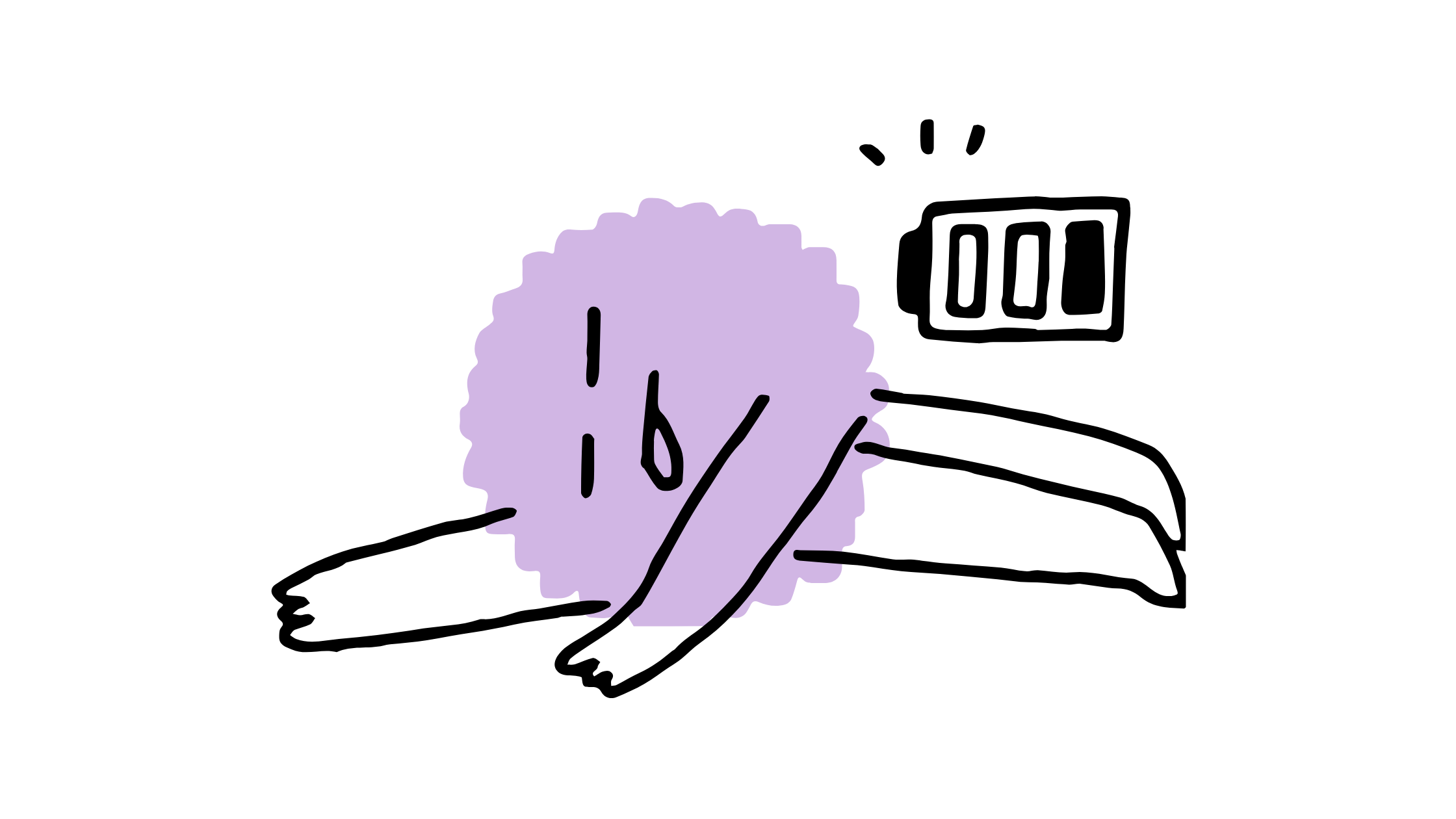
Around two weeks out from almost every audition I've ever taken, something always happens: I fall apart a little.
Not in an overly dramatic, can't-get-out-of-bed way. I just gradually start to notice that things are off. A lot of things.
My motivation tanks, doubt creeps in, and suddenly I am aware that I am quite possibly the worst horn player in the world and why should I even bother practicing anymore?
I always thought this was just reality smacking me in the face and the rose-tinted glasses of six weeks ago sliding off. At last! I can see my true reflection as a garbage monster in the mirror.
Turns out, I wasn't broken. I was just on schedule. This is the Two-Week Slump and it is a surprisingly normal (and common) phase of preparation.
What the slump actually is
I think, deep down, it's a defense mechanism. If I slack off toward the end and the audition goes badly, I've got a built-in excuse. But if I give it everything, 100%, and it still doesn't go well? That's a much harder pain to sit with.
Protective or not, it's not a sign your preparation has failed, or that you actually sound bad. It's just a stage of preparation.
It shows up like clockwork — usually around two weeks out, give or take — and once you start to expect it, you can stop treating it like an emergency and start treating it like a checkpoint. Everything is going to plan.
At that mark, a voice shows up and it whispers things like maybe I should skip today or what's the point, I'm not where I wanted to be anyway.
It's the same voice that tells you to watch one more episode instead of doing your fundamentals. And if you let it drive, you'll spend the two weeks before your audition undoing months of good work.
Why that's actually fine
Two weeks out is also, not coincidentally, when your preparation should be shifting anyway. This is your In-the-Pocket phase — the last stretch before audition day, the marathon runner's taper. You're not supposed to be putting in peak mileage right now. The heavy lifting already happened back in Core Prep.
So some of what feels like falling apart is actually just... your body and brain (correctly) sensing that the job has changed. You're not building anymore, you're focused on maintaining, sharpening, and getting your head right. If you're still trying to grind out hours in the practice room like it's week three of an eight-week prep, of course it feels wrong! It is wrong... for this phase.
Take out your red marker
I recently noticed that I have these days where I come home and completely lose it with food — despite every intention of eating like a reasonably functional adult. For a while, I couldn't figure out why. It wasn't stress-eating or eating my feelings. At wasn't really about hunger either.
Eventually I spotted the pattern: it's the days that just deplete me one way or another. Long work days, early days, hot days, days that just demanded a lot from me.
Once I saw the pattern, I could see it coming and plan for it. Now I look at my week, literally take a red marker, and mark the danger days in advance. Then I make sure I've got a balanced but comforting meal ready and waiting for when I walk in the door.
The Two-Week Slump works the same way. You can see it coming and plan for it with balance and comfort.
How to prepare for the slump before it hits
Mark your calendar. Before anything else, count back two weeks from audition day and circle it. That's your heads-up. It's just another phase and you don't have to be ambushed by it.
Pre-load your wins. Save recordings of your progress — the excerpt from eight weeks ago next to how it sounded last week. A collection of your practice room wins. When the slump voice tells you you're not ready, you'll have actual proof otherwise.
Commit to the plan before you need the willpower. Decide now, while you're clear-headed, what your last two weeks look like. What are your non-negotiables? Daily fundamentals, daily meditation, going to bed early, etc. Then commit to sticking to it even when it feels bad... especially when it feels bad. The plan doesn't need your enthusiasm to work. It just needs you to follow it.
Stop collecting outside opinions. Two weeks out is not the time for new feedback. Too many opinions this close to audition day will muddy water. I've learned this one the hard way more than once. This is also around when I stop listening back to my own recordings critically and stop doing mock auditions for feedback. I still record, to practice performing for the red light, but I do not need any new ideas.
Shift the work to the mental focus. Lean into what the In-the-Pocket phase is actually for: locking in fundamentals, ramping up mental practice and visualization, listening to recordings, and walking through what audition day will actually look like — logistics and all. Where are you parking? Where are you buying bananas? What's queued up on your phone for the wait between rounds? Iron out and visualize the boring stuff now so your brain has less to manage on the day.
Build in comfort to stave off collapse. Block off a low-key hang with a friend. Order a meal delivery service for that week so it's one less decision. Remove friction so you can stay committed to your routine without white-knuckling every hour of it. You're not slacking if you go see a movie. You're guarding against the extremes: no ragers or selling your horn on eBay.
The Reframe: from slump to security blanket
Once you know the slump is coming, you get to decide what it means. It can be the moment your preparation quietly falls apart. Or it can be your two-week security blanket — the phase where you stop chasing everyone else's opinions, stay in your own lane, and trust the work that's already been done.
You're not going to transform your playing in fourteen days. You were never going to. But you can walk into audition day steady, clear, and prepared for the one thing that actually is in your control at this point: how you show up.